
Home repair and maintenance projects require realistic skill assessment, meticulous planning, and regular maintenance checks to prevent failures. Common DIY errors include underestimating complexity and inadequate preparation. Essential tools for a well-equipped toolbox save time and money while addressing issues like leaky faucets, loose flooring, equipment malfunctions, and preventive measures to enhance home longevity, safety, and comfort. Regular inspections reduce costs by up to 30% and prevent major system malfunctions. Online resources and structured maintenance calendars empower homeowners to tackle tasks confidently.
In the realm of home repair and maintenance, DIY projects hold immense appeal for homeowners looking to save costs and exercise control over their living spaces. However, even the most diligent among us faces occasional failures, leaving behind a mess of broken tools, frustrated spirits, and incomplete tasks. This article delves into practical and cost-effective solutions derived from the hands-on experience of seasoned handymen. We'll explore tried-and-true techniques to overcome common DIY failures, empowering you with the knowledge and confidence to tackle home repairs head-on.
- Identifying Common DIY Failures in Home Repair
- Essential Tools for Tackling Basic Home Maintenance
- Step-by-Step Guide to Simple Yet Effective Repairs
- Troubleshooting Tips for Common Home Equipment Glitches
- Preventive Measures for Long-Lasting Home Care Solutions
Identifying Common DIY Failures in Home Repair
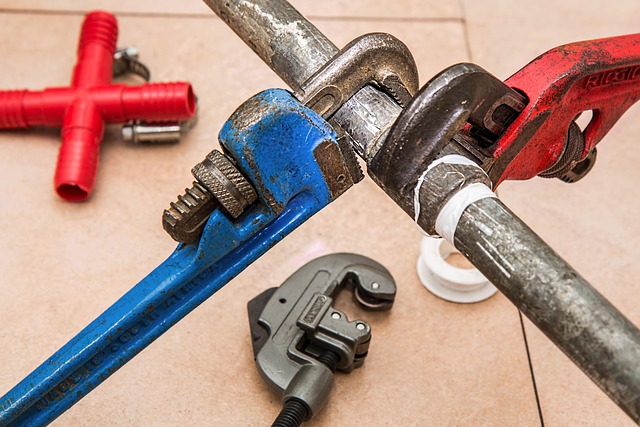
Many well-intentioned homeowners attempt to tackle home repair projects themselves, often referred to as DIY (Do It Yourself) endeavors. While these projects can be rewarding, they also come with a significant risk of failure. A study by the National Association of Home Builders found that nearly 40% of DIYers encounter major setbacks while working on home repairs and maintenance tasks. Identifying common DIY failures is the first step in preventing these issues and ensuring successful outcomes for future projects.
One of the most prevalent mistakes homeowners make is not properly assessing their skills and the scope of the project. Taking on complex tasks without adequate knowledge or experience can lead to subpar workmanship and costly repairs. For instance, attempting electrical work or plumbing fixes without proper training can result in dangerous situations, such as short circuits, leaks, or even fires. Home repair and maintenance require specific tools and techniques, and ignoring these fundamentals often leads to failure.
Another critical aspect is planning and preparation. Rushing into a project without a clear plan or understanding the required materials can cause delays and frustration. Ensuring you have all the necessary supplies and tools in advance, as well as researching the best methods for your particular task, significantly increases your chances of success. Regular maintenance checks are also vital to catching potential issues early on. By identifying common DIY failures and implementing preventive measures, homeowners can transform their home repair experiences from daunting challenges into manageable, even enjoyable, tasks.
Essential Tools for Tackling Basic Home Maintenance

When it comes to home repair and maintenance, having a well-stocked toolbox is just the first step. To effectively tackle common DIY failures, homeowners should focus on acquiring a set of essential tools designed for versatility and durability. Consider these indispensable items as your foundation for tackling various tasks around the house. A high-quality hammer, for instance, is not just for driving nails; it can also be used to pull them out, act as a lever, or even as a makeshift seal-driver. Similarly, a versatile screwdriver set with both flat and Phillips heads should be at the core of your collection, enabling you to handle a multitude of screwing and unscrewing situations.
Beyond these basics, an adjustable wrench offers immense utility by replacing multiple fixed-size wrenches. It's invaluable for loosening or tightening a range of fastenings, from small nuts to larger bolts. A measuring tape is another critical addition; accurate measurements are crucial in home repair and maintenance, whether it's hanging shelves, replacing flooring, or installing new cabinets. Moreover, a set of pliers can serve as a multi-purpose gripper, suitable for tasks like bending wires, cutting through nails, or holding small objects with precision.
For effective home repair and maintenance, consider investing in high-quality tools that will last. While the initial cost may seem steep, the long-term savings and convenience far outweigh the expense. Regularly maintaining your tools – keeping them clean, well-oiled, and stored properly – ensures their longevity. With these essential tools at your disposal, you'll be better equipped to handle common DIY failures, saving time, money, and potentially preventing costly mistakes. Data from a 2021 survey by HomeAdvisor revealed that homeowners who performed regular maintenance tasks saved an average of 15% on repair costs compared to those who deferred maintenance.
Step-by-Step Guide to Simple Yet Effective Repairs

When well-intentioned DIY projects go awry, many homeowners find themselves facing frustrating obstacles. However, with a systematic approach and a few handyman tools, these common failures can be easily overcome. This section offers a step-by-step guide to simple yet effective repairs that will empower you to tackle home repair and maintenance tasks with confidence.
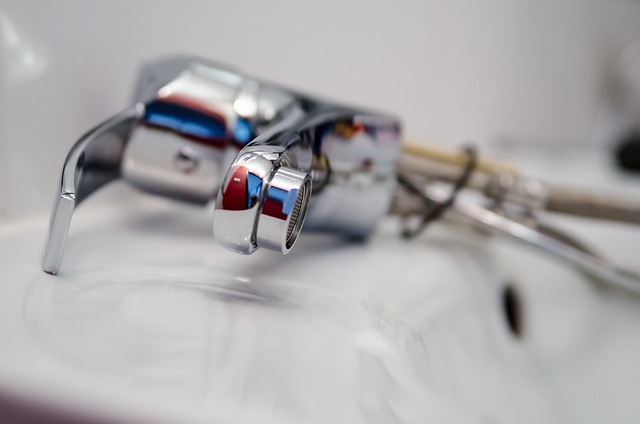
Let's begin with a fundamental issue: leaky faucets. A gradual drip or a persistent leak from your kitchen or bathroom fixtures is not only annoying but can also lead to significant water waste and higher utility bills. To fix this, first, locate the faucet's components under the sink. Next, turn off the water supply valves using a wrench or pliers. Disassemble the faulty faucet parts, cleaning any debris as you go. Replace worn-out O-rings or washers with new ones from your local hardware store. Reconnect the valves and turn on the water to test for leaks. This straightforward process can save hundreds of dollars in potential plumbing damage.
Another common DIY failure is loose or damaged flooring. Whether it's a creaky wooden floor or a tile that has come loose, immediate attention is crucial to prevent further damage. Start by identifying the type of flooring and its underlying structure. For hardwood floors, use a specialized tool to tighten loose boards from below. If a tile is broken, carefully remove it and replace it with a new one, ensuring proper grout application. In cases where the subfloor is damaged, addressing that issue before laying new flooring is essential for long-lasting results. Regular inspection and prompt repair of floor problems can significantly enhance your home's overall value and comfort.
Troubleshooting Tips for Common Home Equipment Glitches
When it comes to home repair and maintenance, even the most skilled DIY enthusiasts can encounter glitches. Common equipment failures can range from minor inconveniences to significant safety hazards. As a handyman, understanding these issues and having a repertoire of troubleshooting tips is essential. One such common problem involves appliances like refrigerators, which may stop cooling effectively due to blocked condensers or faulty thermostats. To address this, start by inspecting the condenser coils for dust accumulation and cleaning them thoroughly. Regular maintenance, including changing filters, ensures optimal performance.
Another frequent glitch occurs in washing machines, often leading to flooding or prolonged wash cycles. This is typically caused by faulty valves or sensors. A systematic approach here involves checking water intake valves for leaks and replacing any worn-out parts. Over time, household appliances can also develop power issues due to outdated wiring or faulty outlets. Such problems demand professional attention for safety reasons. Electricians recommend regular checks of electrical systems, especially in older homes, to prevent unexpected failures.
For effective home repair and maintenance, keeping a well-stocked toolkit is vital. It should include basic tools like screwdrivers, pliers, and multimetres. Additionally, having readily available replacement parts for common appliances can save time and effort. Many online resources provide detailed guides on troubleshooting specific issues, offering step-by-step instructions tailored to different scenarios. By combining practical knowledge with these resources, handymen can efficiently navigate and resolve a wide range of home equipment glitches.
Preventive Measures for Long-Lasting Home Care Solutions
Preventive care is a cornerstone of successful home repair and maintenance. Investing time and effort in regular inspections and proactive measures can save homeowners substantial costs and minimize the stress associated with unexpected failures. For instance, a study by the National Association of Home Builders (NAHB) found that annual maintenance checks can reduce the likelihood of major system malfunctions by up to 30%. A simple, scheduled routine should encompass checking for water leaks in pipes and fixtures, inspecting electrical connections for signs of wear or damage, and ensuring proper ventilation in attics and crawl spaces.
Beyond routine inspections, establishing a culture of prompt action is vital. Addressing small issues before they escalate saves money in the long run. For example, a minor crack in a foundation might indicate a larger structural problem if left unaddressed. Similarly, neglecting to fix a leaky faucet can lead to significant water damage and higher utility bills. Homeowners should keep a toolkit handy and learn basic repair skills, such as tightening loose screws, replacing light bulbs, or fixing a running toilet. Online resources and DIY videos offer accessible guidance for common tasks, empowering homeowners to tackle minor repairs confidently.
To foster long-lasting home care, consider implementing a structured maintenance calendar. Schedule regular deep cleaning sessions, focusing on areas prone to buildup, like gutters and appliances. For instance, cleaning the refrigerator coils annually can improve energy efficiency and extend the appliance's lifespan. Additionally, seasonal checklists ensure no area is overlooked. In colder months, insulate pipes against freezing; during spring, inspect and clean air conditioning units. By adopting these preventive measures, homeowners not only enhance their home's longevity but also contribute to a safer and more comfortable living environment.
By addressing common DIY failures and providing practical solutions through this article's comprehensive guide on home repair and maintenance, readers now possess a valuable toolkit to tackle routine tasks with confidence. Understanding typical glitches and equipping oneself with essential tools empowers individuals to perform basic repairs effectively. The step-by-step approach ensures success in simple yet impactful fixes. Additionally, troubleshooting tips offer targeted solutions for common equipment issues. Implementing preventive measures guarantees longevity in home care, saving time, money, and potentially avoiding more complex problems. This authoritative piece equips readers with the knowledge and confidence to maintain their homes efficiently.