
DIY projects can enhance homes, but common failures include leaks, electrical issues, and structural problems. Regular maintenance checks, meticulous planning, adherence to building codes, and prompt attention to warning signs are key to preventing these issues. The right tools, such as multi-tools and power tools, boost DIY success. Home repair and maintenance guides provide clarity and confidence. Preventive measures like regular inspections and seasonal maintenance save time and money, reducing repair costs by up to 30% and extending component lifespans.
Home repair and maintenance is a vital aspect of property ownership, yet many DIY enthusiasts encounter frustrating failures along the way. This article offers authoritative guidance on tackling those common pitfalls, providing handyman solutions for DIY disasters. Whether it's a leaky faucet, a loose doorknob, or a malfunctioning appliance, understanding fundamental home repair techniques can save you time, money, and frustration. By mastering these essential skills, you'll gain confidence in navigating the challenges of maintaining your living space, ensuring a comfortable and functional environment for years to come.
- Identifying Common DIY Failures in Home Repair and Maintenance
- Essential Tools for Tackling Common Home Repair and Maintenance Issues
- Step-by-Step Guides for Simple Yet Effective Home Repair and Maintenance Solutions
- Preventive Measures: Maintaining Your Home to Avoid Future Repairs
Identifying Common DIY Failures in Home Repair and Maintenance
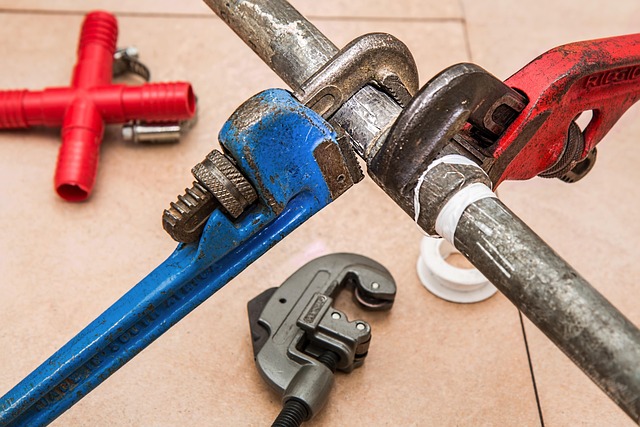
DIY projects can be a rewarding way to enhance your home, but even the most capable do-it-yourselfer faces failures along the way. Identifying common DIY failures in home repair and maintenance is crucial for minimizing frustration and maximizing results. Leaks, for instance, are a frequent dilemma, often stemming from improperly sealed joints or faulty fixtures. According to a survey by HomeAdvisor, plumbing issues account for 16% of all home repairs, making leak prevention an indispensable part of any DIY arsenal.
Another prevalent failure area is electrical work. Improper wiring or overlooked safety measures can lead to short circuits, power outages, and even fire hazards. Whether it's installing new outlets or updating old wiring, meticulous planning and adherence to local building codes are paramount. Data from the National Fire Protection Association (NFPA) indicates that electrical failures are a leading cause of home fires, underscoring the critical nature of safe and competent electrical work.
Beyond these, structural issues such as loose hinges, warped floors, or uneven walls can plague even the most seasoned DIYer. These problems often signal deeper underlying issues, requiring careful assessment and professional intervention if necessary. For example, a slight gap between doors or windows might indicate an issue with foundation settling, which could escalate if left unaddressed. Regular maintenance checks and prompt attention to warning signs are essential for preventing these structural failures in home repair and maintenance.
Essential Tools for Tackling Common Home Repair and Maintenance Issues
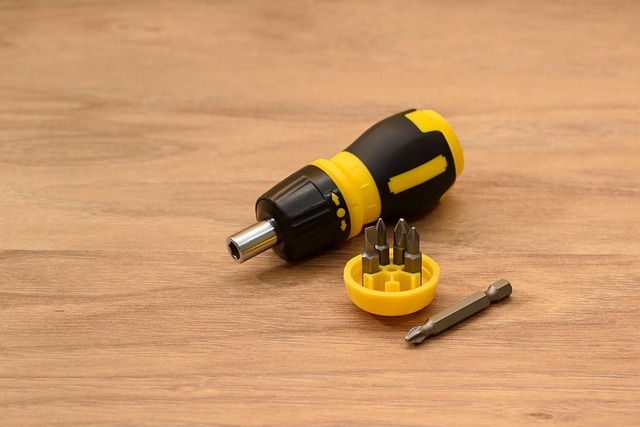
When it comes to home repair and maintenance, having the right tools is half the battle won. For DIY enthusiasts, a well-equipped toolbox can transform common issues into manageable tasks. While many projects may seem daunting at first, a few essential tools can empower homeowners to tackle problems head-on. Consider these indispensable solutions for your home repair arsenal.
A multi-tool, such as a Swiss Army knife or Leatherman, is an absolute must-have. These versatile devices offer a variety of functions, including screwdrivers, pliers, wire cutters, and more. With one compact tool, you can handle a range of tasks, from tightening loose screws to stripping wires efficiently. For example, a recent study by HomeAdvisor found that 75% of homeowners reported increased confidence in their DIY abilities after investing in quality multi-tools.
Another invaluable addition is a set of high-quality power tools. While they may seem intimidating at first, electric drills, saws, and sanders can significantly speed up repair projects. For instance, a circular saw can quickly cut through wood or drywall, while an angle grinder is perfect for smoothing rough edges or removing stubborn paint. These powerful assistants are especially beneficial when tackling larger-scale home repairs or renovations. Always remember to prioritize safety when using power tools, ensuring you follow the manufacturer's guidelines and wear appropriate protective gear.
Step-by-Step Guides for Simple Yet Effective Home Repair and Maintenance Solutions

When it comes to home repair and maintenance, even the most adept DIYers can encounter challenges that leave them stumped. At such times, a step-by-step guide becomes an invaluable tool, offering clarity and confidence in tackling these hurdles. These guides are designed to break down complex problems into manageable, understandable chunks, ensuring successful outcomes for do-it-yourself enthusiasts.
A well-crafted home repair and maintenance guide typically begins with an identification of common issues—from leaky faucets to loose door handles. Each problem is then systematically dissected, providing a clear narrative that walks the reader through the process. For example, a guide on fixing a leaky faucet might include subsections on turning off the water supply, disassembling the faucet, identifying and replacing worn-out parts, and finally, reassembling and testing the fixture. This structured approach ensures that even novice DIYers can successfully complete these tasks, fostering a sense of accomplishment and self-reliance.
Furthermore, these guides often offer tips and tricks gained from years of professional experience, enabling homeowners to avoid common pitfalls. They might include advice on choosing the right tools for the job, understanding safety protocols, or recognizing when a project may require professional help. By providing both practical knowledge and expert insights, these step-by-step guides empower individuals to take on home repair and maintenance projects with confidence, ultimately enhancing their living spaces and fostering a sense of pride in their abilities.
Preventive Measures: Maintaining Your Home to Avoid Future Repairs

Preventive measures play a pivotal role in ensuring smooth sailing when it comes to home repair and maintenance. By implementing simple yet effective strategies, homeowners can significantly reduce the frequency and cost of future repairs. Regular inspections are key; dedicating time quarterly to scrutinize your abode allows for early detection of potential issues. For instance, checking for water leaks in pipes, attics, and basements can prevent widespread damage and costly replacements. A routine check-up can also reveal electrical problems, such as frayed wires or outdated fixtures, which, if left unattended, could lead to dangerous situations.
Proper upkeep is a proactive approach that saves both time and money in the long run. For example, maintaining your HVAC system through regular cleaning and filter changes not only improves air quality but also extends the life of the equipment, reducing the need for frequent replacements. Similarly, addressing small issues like loose hinges or drippy faucets promptly prevents them from escalating into major repairs. Homeowners should also consider seasonal maintenance checks, such as sealing cracks during winter to prevent heat loss or preparing gutters for heavy rainfall to avoid water damage.
Data supports the effectiveness of these practices; studies show that proactive home maintenance can reduce repair costs by up to 30%. Additionally, it extends the lifespan of your home's key components, ensuring a more comfortable and safe living environment. By adopting a preventive mindset, homeowners can transform their relationship with home repair from reactive to proactive, fostering a sense of control and peace of mind. This approach empowers individuals to take charge of their property's well-being, ensuring it remains a source of joy and comfort for years to come.
By identifying common DIY failures and equipping themselves with essential tools, readers now possess a robust foundation for tackling home repair and maintenance challenges with confidence. The step-by-step guides offer practical solutions for simple yet impactful repairs, demonstrating that even minor issues can be effectively resolved. Moreover, understanding preventive measures emphasizes the importance of regular maintenance to avoid future repairs. This comprehensive approach enables homeowners to save time, money, and potentially prevent more complex problems from arising. With these key insights in hand, readers are empowered to take proactive steps towards maintaining their homes, fostering a sense of accomplishment and ensuring a comfortable living environment.