
Home Repair and Maintenance demand regular attention to plumbing and electrical systems for safety and cost savings. Leaks, clogs, low water pressure, and circuit overloads are common issues requiring prompt action. Utilizing advanced tools like pressure gauges and digital detectors aids in precise diagnostics. Outdated wiring poses fire hazards; professional inspections and upgrades are crucial. DIY projects have risks; professionals ensure code compliance, prevent disasters, and offer insurance benefits. Timely maintenance extends system lifespans, saves expenses, and maintains secure living environments.
In the realm of home repair and maintenance, efficient plumbing and electrical systems are paramount for any comfortable and safe living space. However, navigating these intricate networks can be a daunting task for homeowners, often leading to costly mistakes or prolonged inconveniences. This article delves into the crucial collaboration between plumbing and electrical experts, highlighting their indispensable role in ensuring a home's smooth functioning. By understanding their specialized contributions, homeowners can effectively manage maintenance, prevent disasters, and make informed decisions, ultimately enhancing the value of their properties.
- Identifying Common Plumbing and Electrical Issues in Home Repair
- Tools and Techniques for Effective Maintenance and Troubleshooting
- When to Call Professionals: Safety and Efficiency in Home Maintenance
Identifying Common Plumbing and Electrical Issues in Home Repair
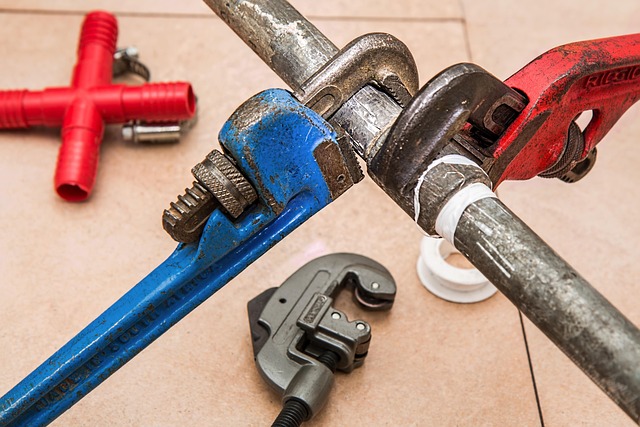
When tackling home repair and maintenance, identifying common plumbing and electrical issues is crucial for any do-it-yourselfer or professional contractor. Leaks, clogs, and low water pressure are recurring plumbing problems that often stem from corroded pipes, blocked drains, or faulty fixtures. For instance, a 2018 study by the National Association of Home Builders (NAHB) revealed that leaky faucets account for approximately 20% of all residential water waste in the U.S., highlighting the significant impact of these issues on water conservation and household expenses.
Electrical problems, meanwhile, can range from faulty outlets and switches to more severe issues like circuit overloads and outdated wiring. Overloaded circuits are a common culprit behind electrical fires, according to the National Fire Protection Association (NFPA), underscoring the critical need for regular inspections and up-to-date electrical systems. As homes age, their electrical infrastructures may become inadequate, leading to potential hazards and performance issues. For example, old knob-and-tube wiring, prevalent in older homes, is considered a fire hazard due to its vulnerability to damage and poor insulation.
To effectively address these challenges, homeowners should adopt a proactive approach through regular maintenance checks. Regular inspection of pipes for signs of corrosion or damage, along with cleaning drain lines to prevent clogs, can help mitigate plumbing issues. For electrical systems, checking for loose connections, replacing outdated fuses or circuit breakers, and ensuring adequate grounding are essential steps. Moreover, staying informed about local building codes and considering upgrades to modern, efficient systems can significantly enhance home repair and maintenance outcomes, ensuring a safer and more comfortable living environment.
Tools and Techniques for Effective Maintenance and Troubleshooting
In the realm of home repair and maintenance, plumbing and electrical systems require meticulous care and a deep understanding of their inner workings. Experts in these fields employ an arsenal of tools and techniques to ensure optimal performance and quick troubleshooting. For plumbing, specialized equipment like hydrostatic pressure gauges and digital leak detectors enable precise identification of issues, whether it's a burst pipe or a subtle water leak. These advanced tools have revolutionized on-site diagnostics, allowing professionals to provide efficient solutions.
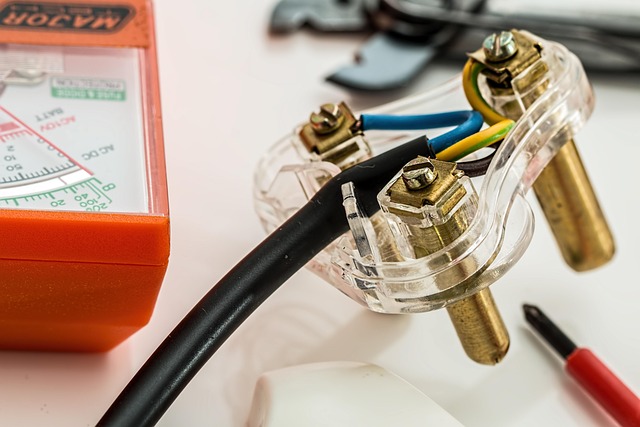
Similarly, electrical experts rely on sophisticated devices such as multimeters and circuit analyzers to navigate complex wiring systems. Multimeters, for instance, can measure voltage, current, and resistance, facilitating the identification of faulty components or broken circuits. By combining these tools with proven techniques, electricians can trace problems accurately, ensuring safe and effective repairs. For example, a recent study revealed that prompt electrical system maintenance can reduce the risk of fires by up to 75%, underscoring the importance of skilled technicians and regular checks.
Effective home repair and maintenance demand a proactive approach. Regular inspections and preventive measures are key to avoiding costly emergencies. Plumbers and electricians often recommend periodic check-ups, during which they inspect for wear and tear, corrosion, or loose connections. These visits not only identify potential issues but also provide an opportunity to offer tailored advice and recommendations. By staying proactive, homeowners can extend the lifespan of their systems and minimize disruptions, ensuring a comfortable and safe living environment.
When to Call Professionals: Safety and Efficiency in Home Maintenance
When tackling home repair and maintenance tasks, it's crucial to understand when to call in professionals for safety and efficiency. While DIY projects can be satisfying, certain plumbing and electrical jobs require expert hands due to potential hazards and intricate complexities. For instance, a simple leak might seem like an easy fix, but accessing hidden pipes and accurately repairing them without causing further damage demands specialized knowledge. Similarly, rewired electrical panels or complex circuit installations should only be handled by licensed professionals to prevent fires or electrocution risks.
According to recent studies, home accidents related to plumbing and electricity account for a significant number of injuries and deaths annually. These incidents often arise from improper repairs or modifications, highlighting the critical need for professional expertise. Plumbers and electricians undergo extensive training and possess the tools to navigate challenging spaces, ensuring safe and effective solutions. For instance, a professional plumber can identify and repair water damage caused by outdated pipes, preventing mold growth and structural issues that may not be apparent to an untrained eye.
Calling in experts for specific jobs offers numerous advantages. It ensures compliance with local building codes and regulations, which are designed to protect residents. Professionals also provide peace of mind, knowing the work is done correctly and safely. Moreover, many home insurance policies exclude coverage for DIY projects that lead to damage or accidents, emphasizing the importance of seeking professional help when necessary. By leaving complex tasks to experts, homeowners can save time, avoid potential disasters, and maintain a well-functioning, safe living environment.
Plumbing and electrical systems are vital components of home repair and maintenance, and addressing common issues efficiently is essential for safety and comfort. By identifying typical problems early on, homeowners can equip themselves with valuable troubleshooting skills using the right tools. This article has empowered readers with practical knowledge, enabling them to tackle minor repairs confidently. However, recognizing when to call professionals is paramount; complex or potentially dangerous situations necessitate expert intervention. Through this guide, readers have gained a comprehensive understanding of home repair and maintenance, empowering them to keep their properties well-maintained and safe.